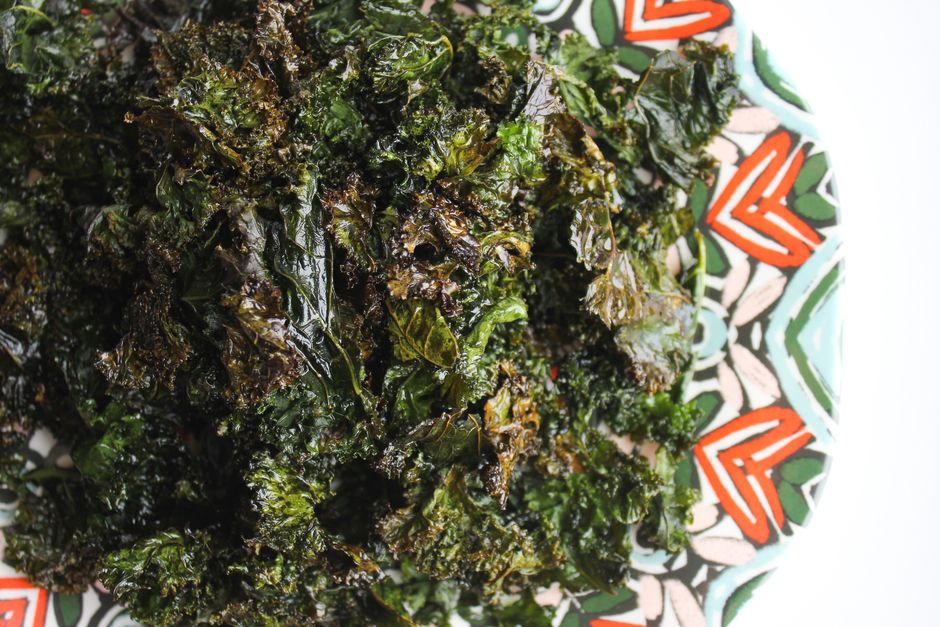
Crunchy Baked Kale Chips for Guilt-Free Snacking
Kale chips have become a popular snack option for those seeking a lighter alternative to traditional potato chips. They offer a satisfying crunch and savory flavor while being made from a nutrient-dense leafy green. With just a few simple ingredients and a proper baking technique, it is possible to create a snack that fits into a balanced approach to eating.
This article explores the process of transforming fresh kale into crispy chips at home. The focus is on the methods and considerations that contribute to the final texture and taste. Rather than promising specific outcomes, the discussion highlights the variables that can influence the result, such as ingredient selection, preparation steps, and baking conditions.
By understanding these factors, anyone can develop a consistent approach to making kale chips that align with their personal preferences. The following sections break down each stage of the process in a neutral, informative manner.
Selecting and Preparing Kale
The choice of kale variety can affect the final texture of the chips. Curly kale is often preferred because its ruffled edges create more surface area, which allows for even crisping. Lacinato kale, also known as dinosaur kale, has flatter leaves and may produce a slightly different crunch. Whichever type is chosen, freshness is a key consideration. Leaves that are firm, deeply colored, and free from wilting or yellowing tend to yield the best results.
Preparation begins with thoroughly rinsing the kale to remove any dirt or residue. After washing, the leaves must be dried completely. Moisture left on the surface can lead to steaming rather than baking, resulting in a softer texture. A salad spinner is an effective tool for removing excess water, followed by gently patting the leaves with a clean towel. Once dry, the leaves are separated from the thick central stems. These stems are tough and do not crisp well, so removing them ensures a more enjoyable eating experience. The remaining leaf pieces are torn into bite-sized sections, roughly two to three inches across. Uniformity in size helps promote even baking.
The Role of Oil and Seasoning
Oil serves multiple purposes in the preparation of kale chips. It helps the seasoning adhere to the leaves and facilitates the transfer of heat during baking. A light, even coating is generally sufficient. Too much oil can make the chips greasy or cause them to become soggy, while too little may result in a dry, brittle texture. Olive oil is a common choice due to its flavor profile and availability. Other oils with a neutral taste, such as avocado or grapeseed oil, can also be used depending on personal preference.
Salt is the most straightforward seasoning for kale chips. Fine sea salt or kosher salt dissolves more easily and distributes more evenly than coarse salt. The amount of salt can be adjusted to taste, but a moderate application allows the natural flavor of the kale to remain present. Additional seasonings such as garlic powder, nutritional yeast, smoked paprika, or chili flakes can be introduced to create different flavor profiles. When adding multiple seasonings, it is important to consider how they interact with the oil and the heat. Some spices can become bitter if overexposed to high temperatures, so timing and quantity are worth noting.
Baking Technique for Even Crispness
Oven temperature and baking time are critical factors in achieving a uniform crunch. Most recipes recommend a temperature range between 300°F and 350°F (150°C to 175°C). Lower temperatures allow for slower dehydration, which can help prevent the edges from burning before the centers are dry. Higher temperatures may speed up the process but require closer monitoring. The kale should be arranged in a single layer on baking sheets lined with parchment paper. Overlapping leaves will trap moisture and lead to uneven results. If multiple sheets are used, rotating them halfway through the baking time promotes consistent heat exposure.
The baking duration typically falls between 10 and 15 minutes, but this can vary depending on the moisture content of the kale, the size of the pieces, and the accuracy of the oven. Visual cues are more reliable than strict timekeeping. The chips are ready when they appear dry, the edges begin to curl, and they feel firm to the touch. Some leaves may still have a slight flexibility when removed from the oven, as they will continue to crisp slightly while cooling. Overbaking should be avoided, as it can lead to a burnt taste and a loss of the green color.
Cooling the chips on the baking sheet for a few minutes after removal allows any residual moisture to evaporate. Transferring them to a wire rack can further aid the crisping process. It is advisable to avoid stacking the chips while they are still warm, as trapped steam can soften the texture.
Storage and Serving Suggestions
Kale chips are best consumed shortly after baking, as their crispness tends to diminish over time when exposed to humidity. If storage is needed, an airtight container kept in a cool, dry place can help preserve the texture for a day or two. Adding a silica gel packet or a piece of paper towel inside the container may absorb excess moisture. However, even with careful storage, some loss of crunch is likely. Reheating the chips in a low oven for a few minutes can restore some of the original crispness, though repeated reheating is not recommended.
These chips can be served as a standalone snack or paired with dips such as hummus, yogurt-based sauces, or guacamole. They also work well as a crunchy topping for soups or salads. Because the preparation method is straightforward, making small batches frequently can ensure a fresh supply. Adjusting the seasoning to complement different meals or occasions is a simple way to vary the experience.
Understanding the variables involved in making kale chips allows for consistent results without relying on any single method. The process relies on careful observation and adjustment rather than fixed rules. With practice, the technique can be refined to suit individual tastes and equipment.